
How to Spot Quality Custom Blinds at Fair Prices
- WINDOWCOVERINGWIZARD
- Jun 30
- 8 min read
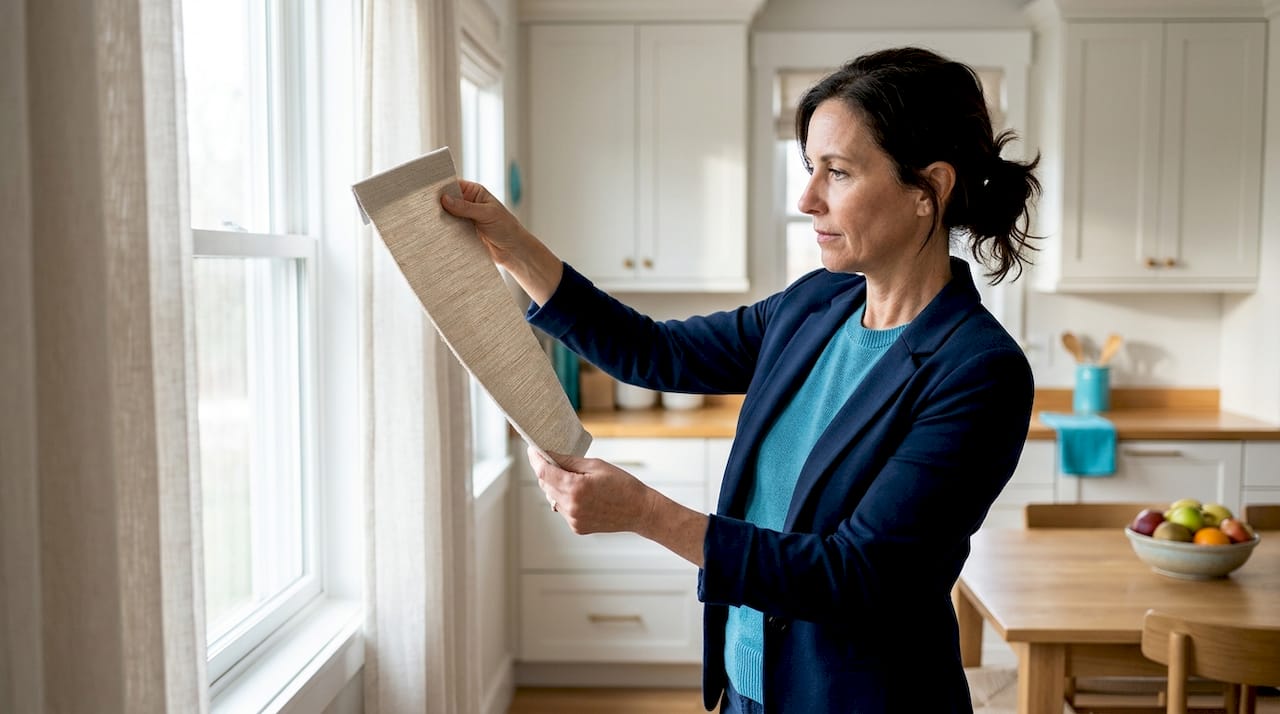
Spotting quality custom blinds at fair prices means knowing exactly what materials, construction details, and pricing benchmarks to look for before you spend a dollar. The industry term for what most homeowners want is “made-to-measure window treatments,” which are blinds and shades cut to your exact window dimensions rather than trimmed from stock sizes. Made-to-measure blinds deliver superior energy efficiency and precision light control compared to off-the-shelf options. That combination of fit and function is what separates a good investment from a frustrating purchase. Brandywineblinds has spent over 30 years helping homeowners and renters find that balance, and this guide distills the most useful lessons from that experience.
How to spot quality custom blinds at fair prices
Quality in custom blinds comes down to three things: material, construction, and fit. A blind made from solid basswood or real aluminum holds its shape for years. A blind made from thin, low-grade composite warps, fades, and rattles within months.
The most reliable materials for custom blinds are real wood, faux wood (a PVC and wood composite), aluminum, and woven fabric. Real wood offers warmth and a natural look but costs more and reacts to humidity. Faux wood handles moisture well, making it the better choice for kitchens and bathrooms. Aluminum is the most durable option for high-traffic rooms and holds up to frequent adjustments without bending. Fabric shades, including cellular and Roman styles, add insulation and softness but require more careful cleaning.
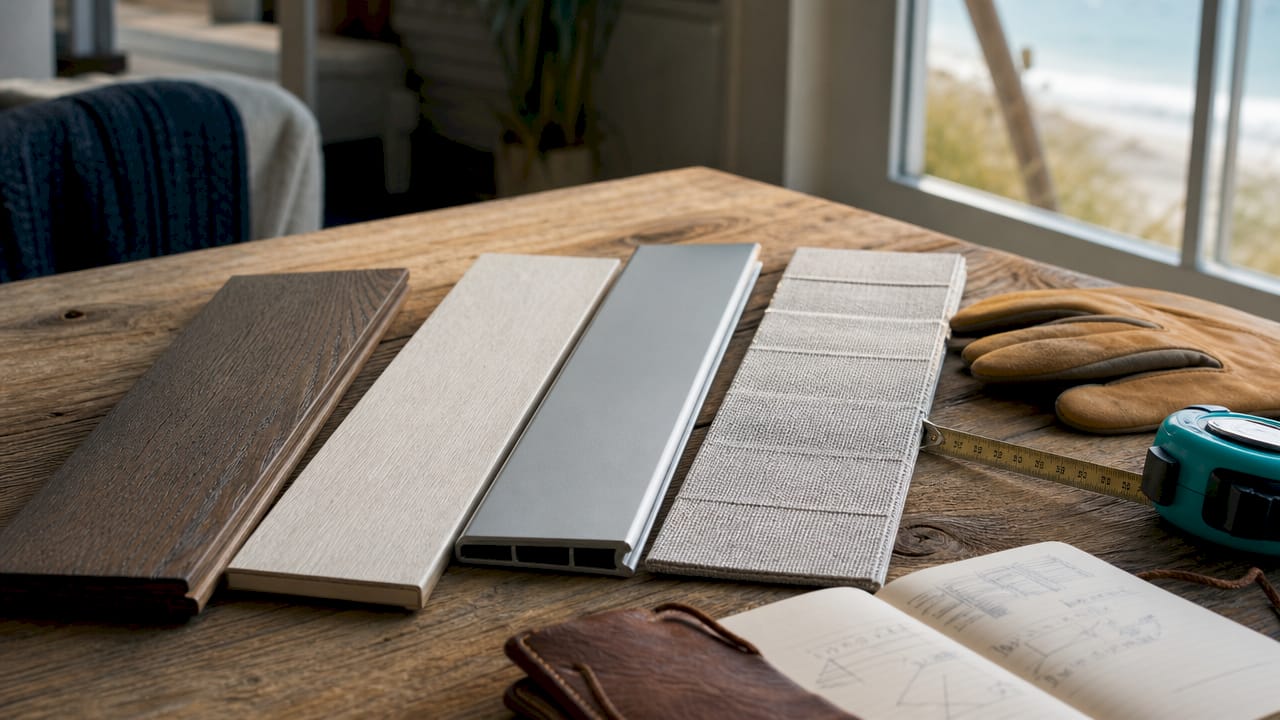
Construction details matter as much as the material itself. Check that the mounting hardware includes solid metal brackets, not plastic clips. Professional-grade mounting hardware uses screws rated for solid wood or wall studs, which prevents the blind from pulling away from the wall over time. Cord systems should move smoothly without catching, and motorized options should respond consistently without lag.
Light control and thermal efficiency are quality indicators that go beyond appearance. A well-made cellular shade traps air in its honeycomb cells, reducing heat transfer through the window. A quality roller shade with a tight side channel blocks light gaps that cheaper versions leave open. These features add long-term value that a low price tag alone cannot replace.
Pro Tip: Order free physical fabric samples before committing to any blind or shade. Samples reveal real-world color and texture in your actual lighting conditions far better than any product photo.
How do you evaluate fair pricing for custom window treatments?
Fair pricing for custom blinds is not the lowest price available. It is the price that reflects actual material and labor costs without the markup added by showrooms, franchise fees, or big-box retail overhead.
Entry-level custom cellular and roller shades start around $70–$80 for small standard windows. Pricing rises with material quality, window size, and added features like motorization or blackout lining. A mid-range wood blind for a standard 36-inch window typically falls between $100 and $200 when purchased through a direct provider. Motorized options add cost but can be worth it for hard-to-reach windows or whole-room automation.
The biggest driver of inflated prices is retail overhead. Factory direct blind retailers skip showrooms and pass those savings to customers while maintaining the same product quality. Brandywineblinds operates on this model, which is why their prices run about 30% lower than franchise retailers for comparable products.
Key pricing factors to compare when shopping:
Material grade: Real wood and aluminum cost more than faux wood or vinyl, but they last longer.
Window size: Custom pricing scales with square footage, so larger windows cost proportionally more.
Motorization: Adds $50–$150 per blind depending on the motor type and brand.
Professional installation: Adds cost upfront but reduces the risk of measurement errors and warranty issues.
Shipping and lead time: DIY custom blinds typically ship in 5–7 business days and often include free fabric swatches, which lowers the total cost of the buying process.
Pro Tip: Use an online price calculator before calling any retailer. Knowing your window dimensions and preferred material puts you in a stronger position to recognize a fair quote.
What are the best ways to buy custom blinds without overspending?
The smartest way to buy custom blinds on a budget is to separate the shopping channel from the quality standard. You can find best quality blinds online through direct providers without sacrificing material standards or professional support.
Follow these steps to avoid the most common overspending mistakes:
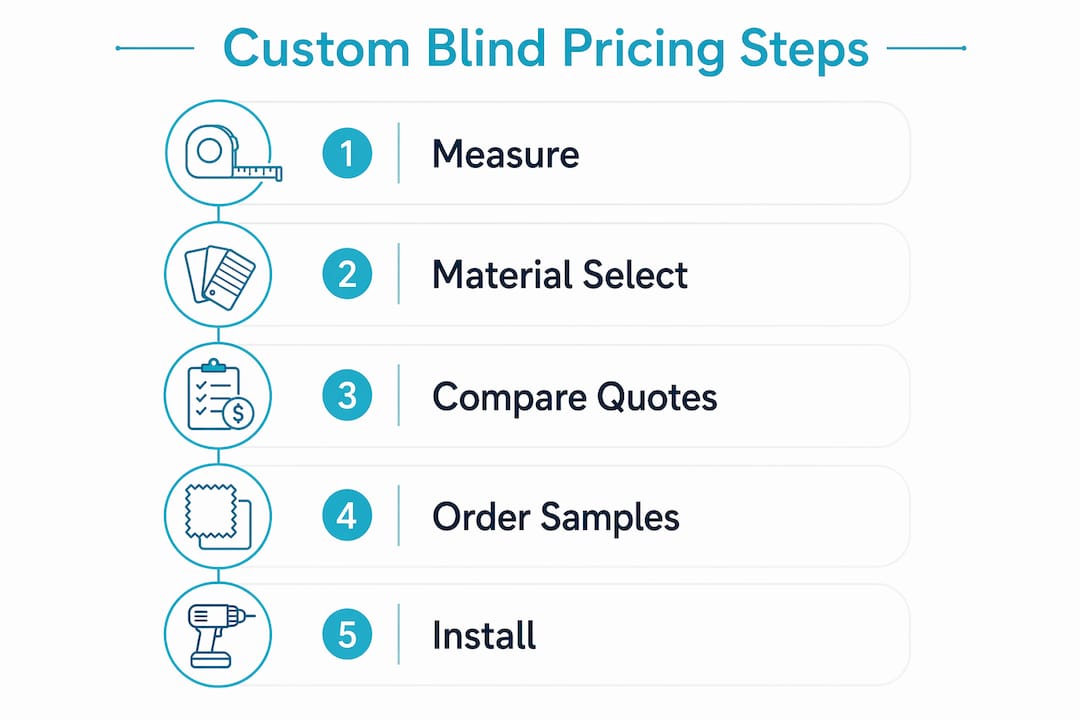
Measure twice before ordering anything. Write down width and height in inches to the nearest 1/8 inch. Measure each window separately, even if they look identical. Small variations between windows are common in older homes.
Order samples first. Request physical swatches of any fabric or material you are considering. This step costs nothing with most reputable providers and prevents costly returns.
Compare specs, not just prices. Side-by-side product comparisons help you differentiate true quality from low-price products that cut corners on materials or hardware.
Ask about free measuring services. Local providers like Brandywineblinds offer professional measuring at no charge, which eliminates the most common source of installation problems.
Time your purchase around promotions. Most custom blind providers run sales in january, september, and around major holidays. Signing up for email lists from trusted providers gives you early access to those discounts.
Clarify all fees upfront. Ask specifically about shipping, installation, and any restocking fees before placing an order. Hidden fees are the most common way a “cheap” blind ends up costing more than expected.
Local providers offer a real advantage over purely online retailers when it comes to measurement and installation support. The ability to speak with someone who has seen your windows and understands your home’s layout reduces errors and saves money in the long run.
How do you measure, install, and maintain custom blinds correctly?
Accurate measurement is the single most important step in the custom blind buying process. A blind that is even 1/4 inch too wide will not fit inside the window frame. A blind that is too narrow leaves light gaps that defeat the purpose of buying custom.
Follow this measuring sequence for inside-mount blinds:
Measure the window width at the top, middle, and bottom. Use the narrowest measurement.
Measure the window height on the left, center, and right sides. Use the longest measurement.
Check the mounting depth. Roman shades require a minimum mounting depth of at least 2.5 inches to sit flush inside the frame. Shallow window frames need outside-mount installation instead.
Record all measurements in inches with fractions. Do not round up or down.
For outside-mount blinds, add 3–4 inches to both width and height to ensure full coverage and light blockage at the edges.
DIY vs. professional installation
Professional installers provide precise measurements and warranty-backed work, but they add to the upfront cost. DIY installation saves money and works well for standard rectangular windows with accessible frames. The risk with DIY is measurement error and improper anchoring, both of which can void a product warranty.
Maintenance tips that extend the life of your blinds:
Dust wood and faux wood blinds weekly with a microfiber cloth or duster. Avoid wet cleaning on real wood.
Wipe aluminum blinds with a damp cloth and mild soap. Rinse and dry immediately to prevent water spots.
Vacuum fabric shades on a low setting using an upholstery attachment. Spot clean stains with a damp cloth and mild detergent.
Check cord tension and bracket tightness every six months. Loose brackets are the leading cause of blinds falling.
A blind that fits perfectly and gets basic maintenance will outlast a premium blind that was installed incorrectly or never cleaned.
Key Takeaways
Quality custom blinds at fair prices require evaluating material grade, construction details, and pricing structure together, not any single factor in isolation.
Point | Details |
Material determines durability | Choose real wood, faux wood, aluminum, or quality fabric based on room conditions and budget. |
Fair price reflects direct cost | Factory direct and local providers like Brandywineblinds offer prices about 30% lower than franchise retailers. |
Samples prevent costly mistakes | Order free physical swatches to check color and texture in your actual lighting before buying. |
Accurate measurement is non-negotiable | Measure each window individually and verify mounting depth before placing any custom order. |
Maintenance extends product life | Regular dusting and bracket checks keep custom blinds performing well for years after installation. |
What I’ve learned about buying blinds without getting burned
After years of working with homeowners and renters across Chester County, the pattern I see most often is this: people focus entirely on the price per blind and ignore the total cost of the purchase. A $50 blind that requires a return, a remeasure, and a second order ends up costing $150 in time and frustration.
The buyers who get the best value are the ones who slow down at the start. They order samples. They measure twice. They ask questions about mounting depth and hardware quality before they check out. That process takes maybe 30 extra minutes, and it almost always results in a better outcome than rushing to the lowest price.
The other thing I tell people is that “affordable” does not mean “cheap.” Affordable means you are paying a fair price for real quality. That is exactly what the factory direct and local provider model delivers. You get the same materials as a big-box retailer at a lower price because you are not paying for a showroom, a franchise fee, or a national advertising budget.
If you are shopping for affordable custom window treatments and you feel uncertain about any part of the process, call a local expert before you order online. The consultation is free, and the advice is worth far more than the time it takes.
— Dave
Brandywineblinds: quality custom blinds with fair, direct pricing
Brandywineblinds has served homeowners and renters in Chester County and the surrounding area for over 30 years, delivering custom window treatments at prices that reflect real value, not retail markup.
Every project starts with a free in-home consultation and professional measuring service, so you never have to guess at fit or compatibility. The product range covers everything from custom cellular shades for energy efficiency to custom Roman shades for a polished, tailored look. All installations come backed by a lifetime service warranty. Whether you are furnishing a rental or upgrading a long-term home, Brandywineblinds gives you the guidance and the products to get it right the first time.
FAQ
What makes custom blinds worth the price over ready-made options?
Custom blinds are cut to your exact window dimensions, which means better light control, a cleaner fit, and longer product life. Made-to-measure window treatments also deliver greater energy efficiency than stock sizes that leave gaps at the edges.
How do I know if a custom blind price is fair?
A fair price reflects material grade, window size, and direct production costs without showroom or franchise overhead. Factory direct providers typically offer prices significantly below traditional retail for the same quality product.
What is the best material for custom blinds on a budget?
Faux wood is the best budget material for most rooms. It resists moisture, holds its shape, and costs less than real wood while looking nearly identical from a normal viewing distance.
Should I install custom blinds myself or hire a professional?
DIY installation works well for standard windows if you measure carefully and follow the manufacturer’s instructions. Professional installation is worth the added cost for large windows, motorized systems, or any window with an unusual frame depth.
How do I avoid ordering the wrong size custom blinds?
Measure each window individually at three points (top, middle, and bottom for width; left, center, and right for height) and use the most restrictive measurement. Always verify mounting depth before ordering inside-mount products like Roman shades.
Recommended