
Oversized Window Treatments: A Homeowner's Guide
- WINDOWCOVERINGWIZARD
- Jun 18
- 8 min read
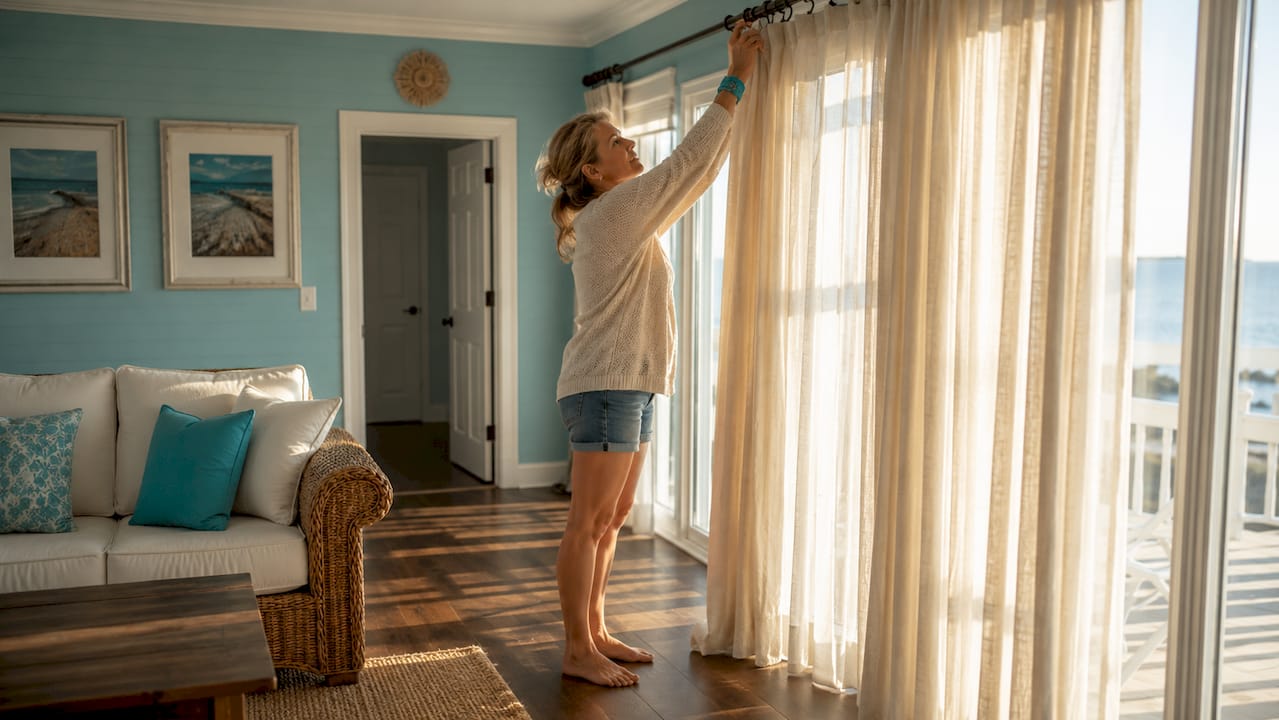
An oversized window treatment is any curtain, blind, shade, or drapery designed specifically to cover large or extra-wide windows, providing both aesthetic appeal and functional control of light and privacy. The industry term you’ll hear most often is “large-format window covering,” though “oversized window treatment” describes the same category accurately. These solutions go beyond standard off-the-shelf sizing. They require careful planning around fabric width, hardware capacity, and often motorization. Popular options include cellular shades, motorized roller blinds, vertical blinds, and layered curtains combining sheer and blackout panels. Getting this right transforms a room. Getting it wrong leaves you with sagging fabric, inadequate coverage, and wasted money.
What is an oversized window treatment, and what types exist?
Oversized window treatments fall into several distinct categories, each suited to different window sizes, room functions, and design goals. Understanding the differences helps you pick the right solution the first time.
Curtains and Drapes
Curtains and drapes are the most traditional large window drapery options. For oversized windows, floor-length panels create a taller, more custom look and are the standard recommendation when height impact and drama matter. You can choose pinch-pleat, grommet, or rod-pocket headers depending on the formality of the room. Drapes in heavier fabrics like velvet or linen add weight and structure, which helps them hang properly across wide spans.
Blinds and Shades
Vertical blinds work exceptionally well on sliding glass doors and wide windows. They stack neatly to one side and handle spans of 10 feet or more without sagging.
Roller shades offer a clean, minimal look. For very wide windows, split rollers (two shades on one window) are a practical solution that avoids the mechanical strain of a single oversized tube.
Cellular shades are the top pick for energy efficiency. Their honeycomb structure traps air and provides insulation that standard blinds cannot match.
Wood blinds add warmth and texture. They work best on windows up to about 8 feet wide before weight becomes a concern.
Vertical blinds, roller shades, cellular shades, and wood blinds are the four most commonly recommended options for large windows, particularly when paired with motorization.
Motorized Options
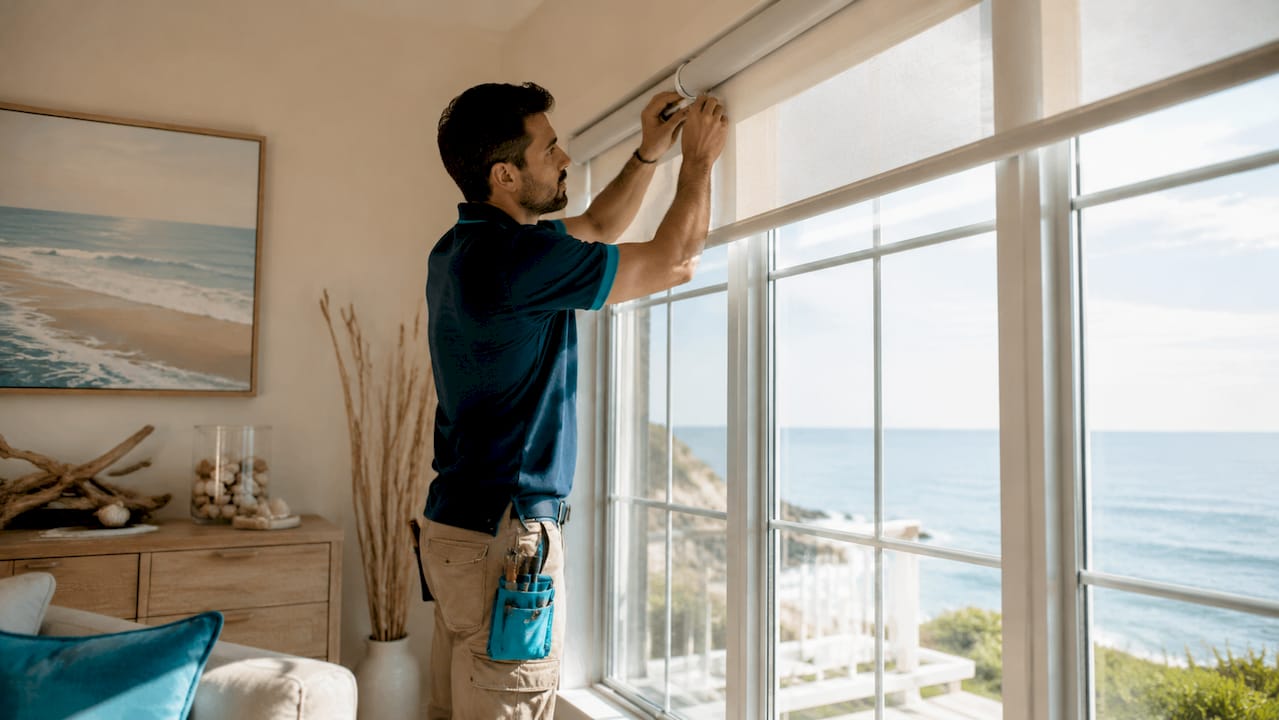
Motorized treatments are no longer a luxury reserved for high-end homes. For windows wider than 8 feet or taller than 10 feet, motorized systems are the expert recommendation to prevent mechanical wear and improve safety. A single button or voice command replaces the physical effort of pulling heavy panels across a wide track.
Layered Treatments
Layered window treatments combine sheer and blackout fabrics on the same window. Sheers diffuse daylight and maintain a soft glow during the day. Blackout panels pull closed at night for full privacy. This combination gives you the most flexibility of any treatment type.
What are the real benefits of oversized window coverings?
Extra large window coverings do more than fill a wall. They actively improve how a room feels and functions.
Energy Efficiency
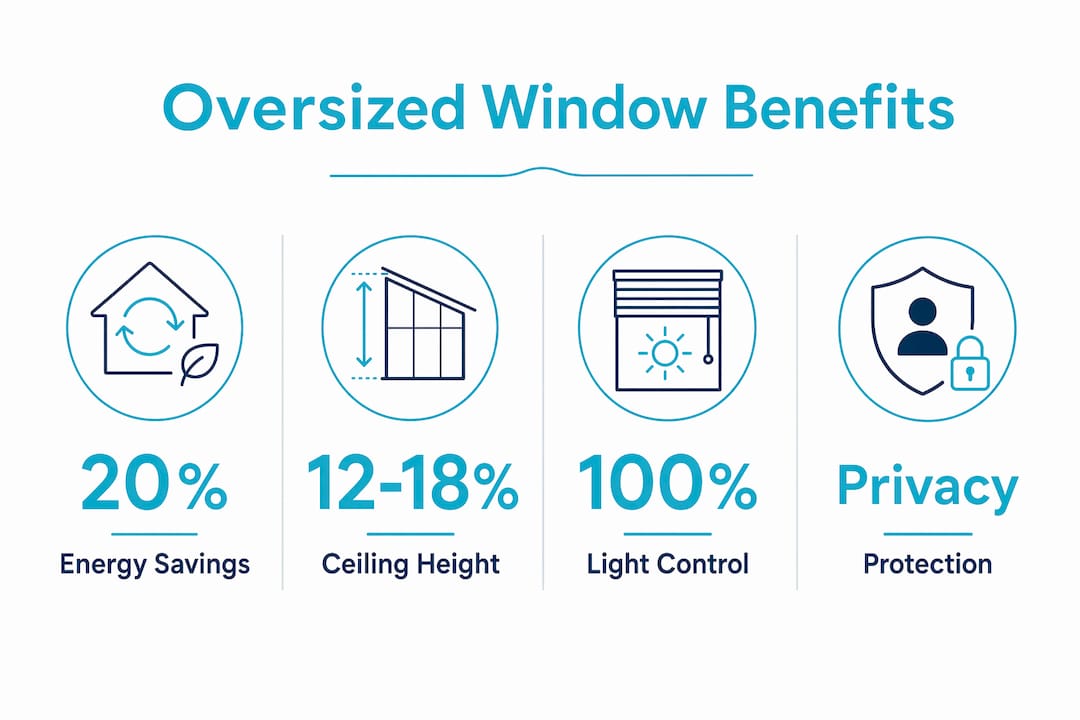
Proper layering with sheer curtains and blackout panels can reduce heat loss by up to 20%. That number is significant for rooms with floor-to-ceiling glass or large picture windows, where heat transfer is highest. Cellular shades amplify this effect further. Their energy-efficient honeycomb design creates an insulating air pocket between the glass and the room. Pairing cellular shades with exterior-grade windows compounds the savings, as noted by energy-efficient window research for homeowners in colder climates.
Light Control and Glare Reduction
Large windows flood rooms with natural light, which sounds ideal until afternoon glare makes your TV unwatchable or fades your furniture. Roller shades in a light-filtering fabric cut glare without blocking the view. Motorized solar shades are particularly effective here because you can adjust them precisely without leaving your seat.
Room Proportion and Visual Height
Curtains hung higher and with appropriate fullness can increase perceived ceiling height by 12–18%. That is a meaningful visual shift in rooms with standard 8-foot or 9-foot ceilings. Mounting your rod 4–6 inches above the window frame and running panels to the floor creates the illusion of a taller, grander space.
Privacy on Large Glass Surfaces
Large windows are beautiful from the inside and completely transparent from the outside at night. Blackout roller shades or lined drapes solve this immediately. For daytime privacy without sacrificing light, solar shades and sheer panels are the right tools.
Pro Tip: If you want both privacy and natural light during the day, pair a sheer shade on the window itself with a blackout panel on a separate rod mounted closer to the wall. You get layered control without sacrificing either function.
How should you install extra large window coverings?
Installation is where most homeowners make costly mistakes. The rules for standard windows do not scale up automatically.
Mount the rod high and wide. Place your curtain rod 4–6 inches above the window frame and extend it 6–12 inches beyond the frame on each side. This lets panels stack off the glass entirely when open, maximizing light and making the window look larger.
Calculate fabric fullness correctly. Large window treatments often require 1.5 to 3 times the window width in total fabric for the desired fullness. A 10-foot-wide window needs 15–30 feet of fabric across all panels. Skimping here produces flat, skimpy-looking drapes that undercut the whole effect.
Choose the right hardware. Standard curtain rods rated for 6-foot spans will bow under the weight of heavy drapes on a 12-foot window. Use double-bracket center supports and heavy-duty rods rated for the full span and fabric weight.
Consider motorization for high or wide windows. Motorized shades add convenience and eliminate long cords on large windows, which is a genuine safety concern in homes with children or pets. For windows taller than 10 feet, manual operation also puts physical strain on the hardware over time.
Eliminate cord hazards. Corded blinds on large windows have longer, heavier cords than standard products. Cordless or motorized options are the safer choice and are now the industry standard recommendation for any window treatment in a home with young children.
Pro Tip: Before drilling a single hole, use painter’s tape to mark the exact rod placement and panel width on your wall. Live with it for a day and look at it in different lighting conditions. Moving hardware after the fact is frustrating and leaves visible damage.
How do you choose the right treatment for your space?
The best oversized window treatment depends on the room, your lifestyle, and your budget. Here is a direct comparison to help you decide.
Treatment Type | Best Room | Light Control | Maintenance | Custom vs. Ready-Made |
Cellular shades | Bedroom, living room | High | Low | Both available |
Vertical blinds | Sliding doors, office | Medium | Low | Both available |
Floor-length drapes | Living room, dining room | High (lined) | Medium | Both, custom preferred |
Roller shades | Any room | Low to high | Very low | Both available |
Layered shades | Living room, bedroom | Adjustable | Medium | Custom preferred |
Matching Treatment to Room Function
Bedrooms need strong light blocking and privacy. Cellular shades or lined blackout drapes are the standard choice. Living rooms benefit from layered options that shift between open and private. Home offices need glare control without full darkness. Solar shades or light-filtering roller shades handle that best.
Material and Maintenance
Fabric drapes in rooms with high humidity, like sunrooms or kitchens near windows, collect moisture and require more frequent cleaning. Faux wood blinds and roller shades in synthetic fabrics wipe clean and resist warping. For covering large windows affordably, roller shades and vertical blinds offer the best value without sacrificing function.
Custom vs. Ready-Made
Ready-made panels top out at roughly 108 inches in length and 54 inches in width per panel. Any window larger than that requires custom work. Custom treatments cost more upfront but fit precisely, hang better, and last longer. For genuinely oversized windows, custom is not a luxury. It is the only option that works correctly.
Key takeaways
Oversized window treatments require custom sizing, proper hardware, and the right fabric-to-window ratio to deliver both function and visual impact.
Point | Details |
Definition matters | An oversized window treatment covers large or extra-wide windows with purpose-built sizing, not standard off-the-shelf products. |
Fabric fullness is critical | Use 1.5 to 3 times the window width in fabric to achieve proper fullness and avoid a flat, skimpy appearance. |
Motorize large windows | Windows wider than 8 feet or taller than 10 feet perform better and last longer with motorized systems. |
Layer for maximum control | Combining sheer and blackout panels reduces heat loss by up to 20% and gives you flexible light and privacy control. |
Match treatment to room | Bedrooms need blackout options; living rooms benefit from layered shades; offices need glare control without full darkness. |
What i’ve learned after years of seeing large windows done wrong
Most homeowners underestimate how different large windows are from standard ones. The mistakes I see most often are not about taste. They are about scale. Someone buys beautiful linen drapes, hangs them on a rod that barely clears the window frame, and wonders why the room still feels off. The panels are too narrow, the rod is too low, and the whole effect collapses.
The single most impactful change you can make is rod placement. Hanging the rod close to the ceiling, not the window, changes the entire proportion of the room. It costs nothing extra and takes ten minutes. Yet most people skip it because the instructions that come with curtain rods say nothing about it.
The second thing I’d push back on is the idea that custom treatments are out of reach financially. With a local provider like Brandywineblinds, custom sizing often costs less than you expect, especially compared to what you’d spend replacing ill-fitting ready-made panels twice. The right window treatments for your home are the ones that fit correctly from day one.
My honest advice: measure twice, plan for fullness, and do not skip motorization on anything taller than 10 feet. You will thank yourself every single day.
— Dave
How Brandywineblinds handles oversized windows
Brandywineblinds has spent over 30 years fitting large and extra-large windows across Chester County and the surrounding area. Their local experts measure your windows precisely, walk you through every option, and install treatments that fit correctly the first time. Pricing runs roughly 30% below big-box competitors because there is no corporate overhead or franchise markup built into the quote.

For sliding doors and wide living room windows, their custom vertical blinds are a top choice, with motorized options available for windows that are difficult to reach. They also carry blackout and light-filtering shades customized to your exact dimensions. Every installation comes with a lifetime service warranty. If something shifts or needs adjustment, they come back and fix it.
FAQ
What qualifies as an oversized window treatment?
An oversized window treatment is any covering designed for windows that exceed standard sizing, typically wider than 60 inches or taller than 84 inches. These treatments require custom fabric widths, heavy-duty hardware, and often motorization for proper function.
What are the best blinds for large windows?
Vertical blinds, cellular shades, roller shades, and wood blinds are the most recommended options for large windows. Motorized versions of each are preferred for windows wider than 8 feet or taller than 10 feet.
Do oversized curtains need to touch the floor?
Floor-length panels are the standard recommendation for oversized windows where height and drama matter. Panels that stop short of the floor visually shrink the window and reduce the impact of the treatment.
How much fabric do i need for oversized curtains?
Large window treatments require 1.5 to 3 times the window width in total fabric to achieve proper fullness. A 10-foot window needs between 15 and 30 feet of fabric spread across all panels.
Are motorized shades worth it for large windows?
Motorized shades are the expert recommendation for windows wider than 8 feet or taller than 10 feet. They prevent mechanical wear, eliminate cord hazards, and make daily operation practical on windows that are difficult to reach manually.
Recommended
Comments