
Window Treatments for Rental Converted Homes
- WINDOWCOVERINGWIZARD
- 5 hours ago
- 8 min read
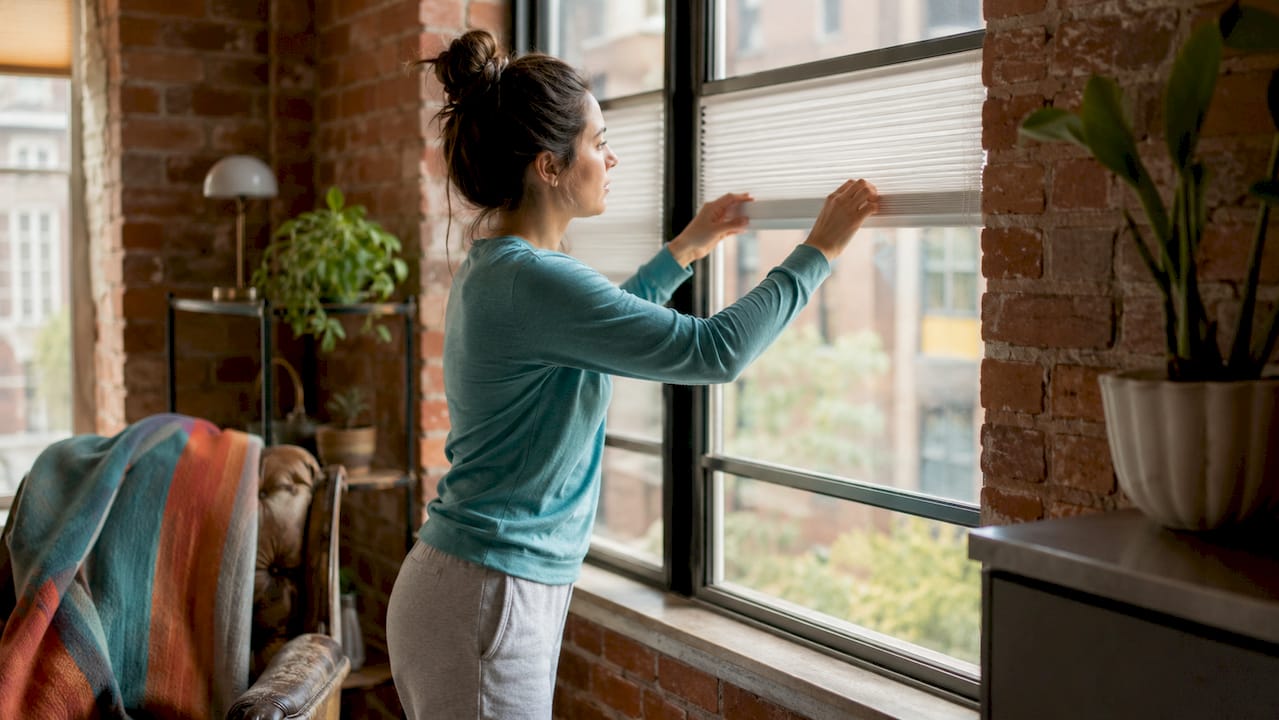
Window treatments for rental converted homes are the fastest way to add privacy, style, and energy savings without making permanent changes to the property. The right covering protects your security deposit, satisfies landlord requirements, and solves the unique challenges that come with converted spaces, such as odd window sizes, bedroom glazing codes, and shared walls. Options like cordless mini blinds at around $18, no-drill cellular shades, curtains, and 3M Crystalline window film each serve a different need. Choosing the wrong one costs you money and time. Choosing the right one pays off every month in comfort and lower utility bills.
What are the best types of window treatments for rental converted homes?
The four most practical window treatment types for rental converted homes are mini blinds, cellular shades, curtains, and window film. Each one fits a different budget, window type, and privacy need.
Mini blinds are the default choice for renters on a tight budget. Cordless vinyl mini blinds are available in white, alabaster, and black, fit inside or outside mounts, and adjust to custom lengths. They filter light while still letting natural brightness into the room. At roughly $18 per window, they are the most affordable blinds for apartments and converted spaces.
Cellular shades are the top pick for energy efficiency. Their honeycomb structure traps air and reduces heat transfer through the glass. No-drill tension-fit versions install without a single screw, making them ideal for renters who need damage-free options. They also reduce outside noise, which matters in converted loft or basement bedrooms near busy streets.
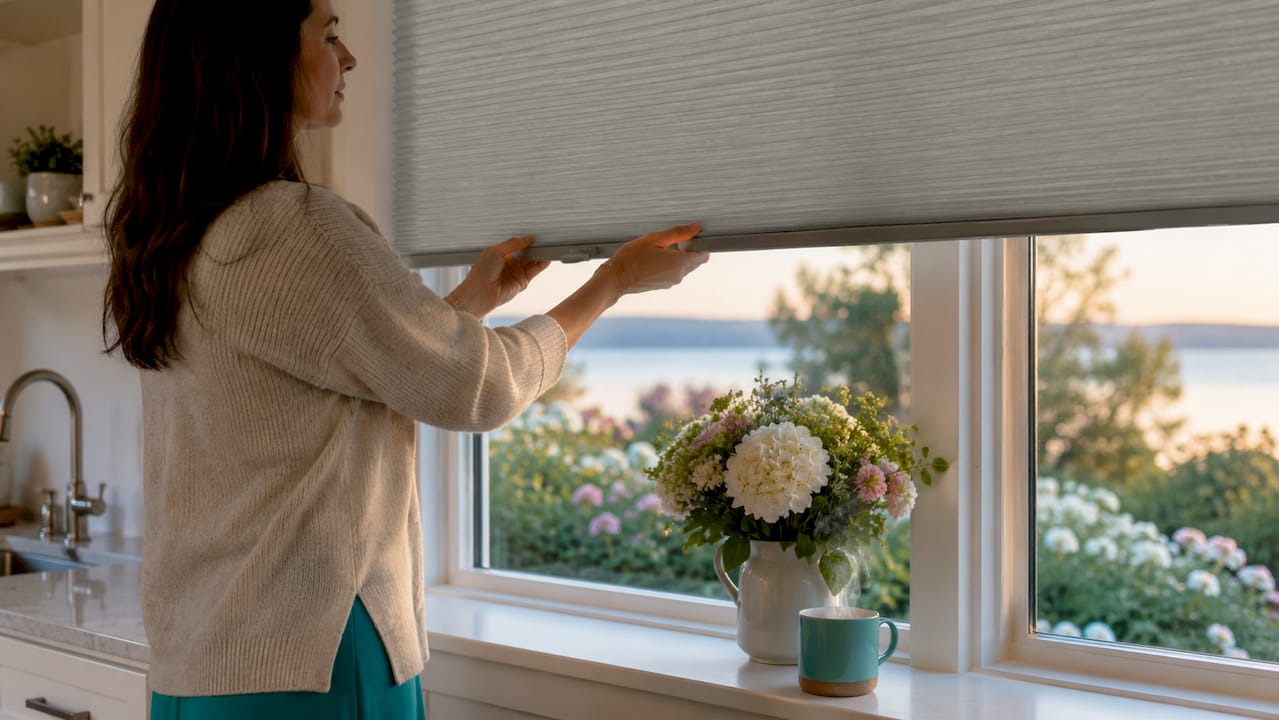
Curtains offer the most style flexibility of any temporary window covering. A standard curtain rod with adhesive or tension mounts keeps walls intact. Floor-to-ceiling drapes in a converted studio can visually separate sleeping areas and add warmth to a space that might otherwise feel industrial or unfinished.
Window film works best when you want heat control and UV protection without blocking the view. Films like 3M Crystalline 70 reject heat and ultraviolet light while keeping the glass clear. That makes them a strong choice for converted sunrooms or rooms with large south-facing windows.
Treatment | Avg. Cost | Installation | Privacy | Style Flexibility |
Mini blinds | ~$18 | Standard hardware | High | Low |
Cellular shades | $40–$120 | No-drill tension fit | High | Medium |
Curtains | $20–$80 | Adhesive or tension rod | Medium | High |
Window film | $30–$100 | Peel-and-stick | Medium | Low |
Pro Tip: Always choose cordless or no-drill options in rentals. Corded blinds create liability with landlords, and drilled holes cost you part of your deposit.
How to comply with window size and privacy requirements in converted bedrooms
Converted bedrooms carry a compliance requirement that standard rooms do not. In Ontario, for example, converted bedrooms must have net transparent glazing equal to at least 5% of the room’s floor area. A 100-square-foot bedroom needs a minimum of 5 square feet of clear glass. Building inspectors verify this measurement, and it does not include the window frame or sash. Many American jurisdictions follow similar logic under local residential building codes, so checking with your local building department before adding any treatment is the right first step.
The key word is “net transparent glazing.” Window film that remains clear counts toward the glazing area. Blackout shades or heavy drapes do not block compliance, because inspectors measure the glass itself, not what covers it. That said, treatments affect how much usable light and egress safety the room provides in practice.
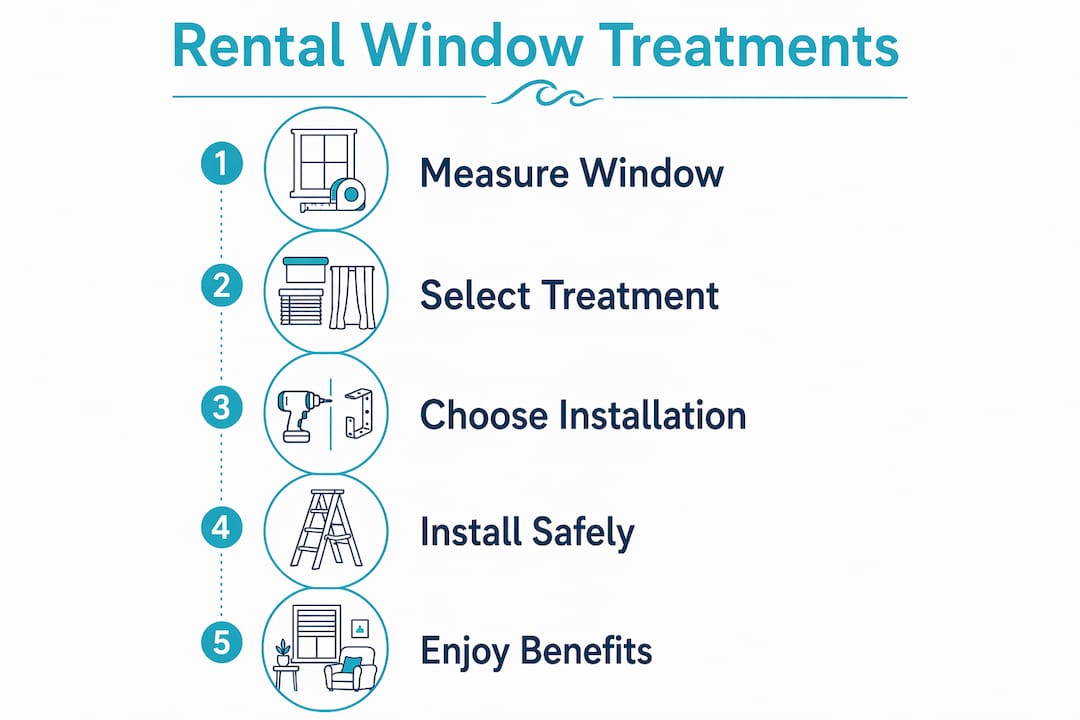
Here is what to check before installing any treatment in a converted bedroom:
Measure the actual glass area, not the frame, and confirm it meets local code minimums.
Choose light-filtering or solar shades over blackout options if the window is already close to the minimum glazing size.
Avoid treatments that permanently reduce the glass area, such as frosted film applied to the full pane.
Confirm with your landlord or building inspector that the treatment does not affect egress window requirements.
Pro Tip: Combining a sheer light-filtering shade with a clear solar film gives you daytime privacy and UV protection without reducing the visible glass area that inspectors measure.
What are budget-friendly and renter-safe installation methods?
No-drill installation is the standard for renters, and two methods cover most window types. The first is a tension-fit headrail, which wedges inside the window frame using spring pressure. The second is a peel-and-stick adhesive bracket, which bonds to the frame without screws. Both work well for cellular shades installed without drilling, and both come off cleanly when you move out.
The most common mistake renters make is measuring only once at the top of the window. Window frames in older converted homes are rarely perfectly square. Measure the inside width at the top, middle, and bottom, then use the smallest number for tension-fit shades. That single step prevents light gaps along the sides, which are the main privacy failure point in converted spaces.
Follow these steps for a clean inside-mount installation:
Measure the inside width at three points (top, middle, bottom) and record the smallest.
Measure the inside height on both sides and record the smallest.
Order or cut the shade to the smallest width measurement.
For tension-fit shades, compress the headrail, insert it into the frame, and release.
For adhesive brackets, clean the frame surface with rubbing alcohol, press brackets firmly, and wait 24 hours before hanging the shade.
Test the shade by raising and lowering it fully before considering the job done.
Step | Action | Why It Matters |
Measure three points | Top, middle, bottom width | Frames in converted homes are often uneven |
Use smallest width | Order or cut to that number | Prevents side light gaps |
Clean before adhesive | Alcohol wipe on frame | Adhesive fails on dusty or painted surfaces |
Wait 24 hours | Let adhesive cure | Premature weight causes bracket failure |
Pro Tip: For outside-mount installations, extend the shade at least 1.5 to 2 inches beyond the window opening on each side. That overlap blocks side light and improves privacy significantly.
How can window treatments improve energy efficiency in rental converted homes?
Windows account for 25–30% of residential heating and cooling energy loss in the United States, according to the Department of Energy. That figure is even more relevant in converted homes, where windows may be poorly insulated or positioned to face direct sun for long hours. The right treatment cuts that loss without requiring any permanent modification.
Cellular shades are the most effective insulating treatment available to renters. Their honeycomb cells create a dead-air buffer between the glass and the room, slowing heat transfer in both directions. In winter, they hold warm air in. In summer, they block radiant heat from entering. Renters who switch to energy-efficient cellular shades typically notice the difference on their first utility bill after installation.
Solar control window films deliver a different kind of benefit. 3M Prestige Series films reduce interior glass surface temperatures by about 18°F compared to untreated glass. The floor near the window line runs about 10°F cooler as well. That temperature drop reduces how hard your air conditioner works and protects furniture, flooring, and artwork from UV fading. 3M Crystalline 70 achieves this without dark tint or mirror reflectivity, so the room stays bright and the view stays clear.
Key energy benefits by treatment type:
Cellular shades: Reduce heat loss and gain through the glass year-round.
Solar window film: Cuts interior glass temperatures by up to 18°F in summer.
Blackout curtains: Block radiant heat at night and reduce morning heat gain.
Solar shades: Filter UV light while preserving outward views, ideal for south-facing converted rooms.
Key takeaways
The most effective window treatments for rental converted homes combine no-drill installation, code-compliant glazing coverage, and energy-reducing materials like cellular shades or solar film.
Point | Details |
Start with mini blinds or cellular shades | Both install without permanent hardware and fit most rental budgets. |
Verify glazing compliance in converted bedrooms | Net transparent glass must meet local code minimums before adding any treatment. |
Measure at three points before ordering | Use the smallest inside width to prevent light gaps in uneven converted frames. |
Use solar film for heat control | Films like 3M Crystalline 70 cut glass surface temps by up to 18°F without blocking views. |
Layer treatments for best results | Combining a sheer shade with a solar film delivers privacy, light, and energy savings together. |
What I’ve learned after years of fitting rentals with window treatments
Renters and landlords both tend to underestimate how much the wrong window treatment costs them. A landlord who installs cheap corded blinds in a converted bedroom will replace them every two years. A renter who skips measuring and orders the wrong size ends up with a shade that lets in light along every edge and provides no real privacy. Neither outcome is acceptable when better options cost the same or less.
The advice I give most often is this: treat the window film and the shade as a team, not as alternatives. Film handles the heat and UV load during the day. A light-filtering or blackout shade handles privacy at night and in the morning. Together, they do what neither can do alone. That combination works especially well in converted spaces where the windows were not originally designed for a bedroom or living area.
The other thing I have seen renters get wrong is skipping professional measurement. A tension-fit shade that is 1/8 inch too wide will not compress into the frame. One that is 1/4 inch too narrow will rattle and let in light. Brandywineblinds offers professional measurement as part of its service, and that single step eliminates the most common and most frustrating installation failures. With over 30 years of experience and a lifetime service warranty, they are the kind of local expert who saves you money by getting it right the first time.
— Dave
Custom window treatments, sized right for your rental
Brandywineblinds works with renters and landlords across Chester County and the surrounding area to find window treatments that fit the space, the budget, and the lease agreement.
Their product range covers cellular shades for energy efficiency, privacy and blackout shades for converted bedrooms, solar shades for heat control, and vertical blinds for sliding doors and large openings. Every solution comes with professional measurement and installation, and pricing runs up to 30% below big-box competitors. There are no franchise fees and no corporate markups. You get a local expert, a custom fit, and a lifetime service warranty on every job.
FAQ
What are the best window shades for rental apartments?
Cordless cellular shades and mini blinds are the top choices for rental apartments. Cellular shades offer energy efficiency and no-drill installation, while mini blinds cost as little as $18 and install with standard hardware.
Can I install window treatments without drilling in a rental?
Yes. Tension-fit headrails and peel-and-stick adhesive brackets both mount cellular shades and roller shades without screws. Measure the inside frame width at three points and use the smallest number to get a secure, gap-free fit.
Do window treatments affect bedroom glazing code compliance?
Window treatments do not reduce the glazing area that building inspectors measure. Inspectors measure the net transparent glass, not what covers it. Clear solar film counts toward the glazing area; blackout shades do not reduce it.
How much heat do window films actually block?
Solar control films like the 3M Prestige Series reduce interior glass surface temperatures by about 18°F compared to untreated glass. The floor near the window also runs about 10°F cooler, which reduces air conditioning load noticeably.
What is the most affordable window treatment for a converted bedroom?
Cordless vinyl mini blinds are the most affordable option, available for around $18 per window. They filter light, provide reliable privacy, and install without permanent hardware, making them a practical first choice for renters.
Recommended
Comments