
Types of Custom Window Blinds: 2026 Homeowner's Guide
- WINDOWCOVERINGWIZARD
- 8 hours ago
- 8 min read
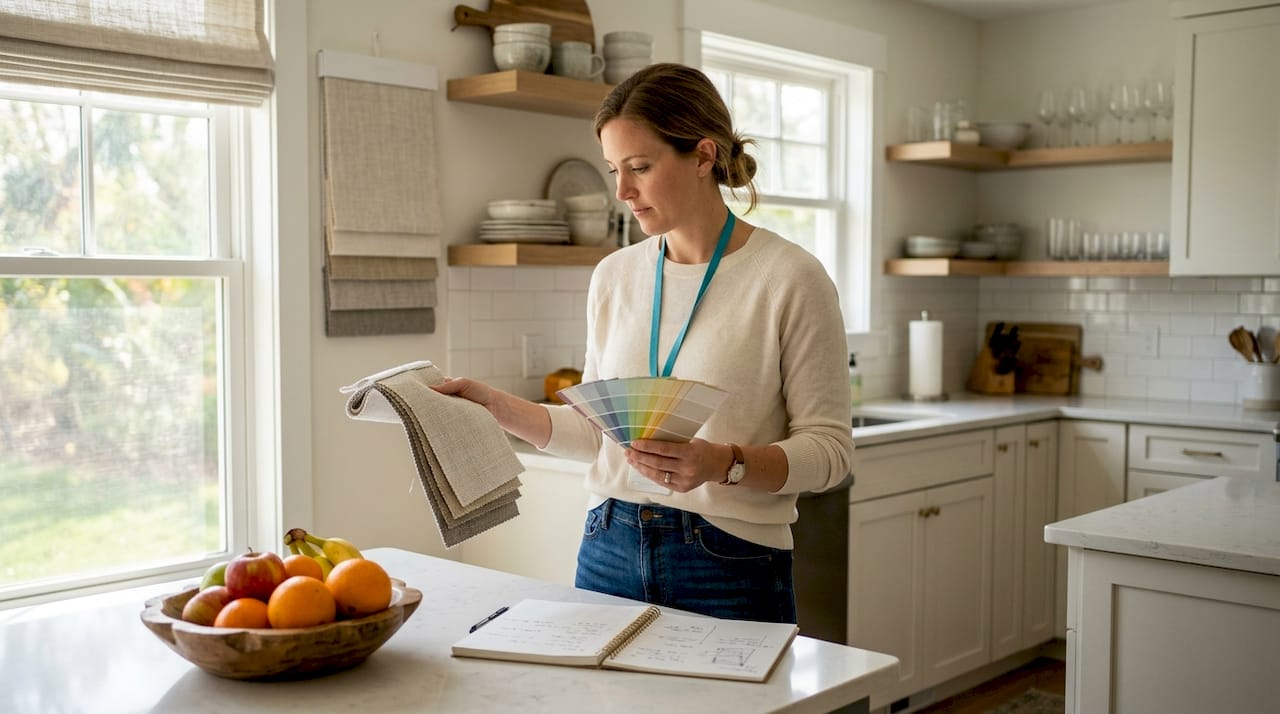
Custom window blinds are categorized by operating mechanism and material, giving homeowners direct control over light, privacy, and energy efficiency in every room. The core types of custom window blinds include Venetian, vertical, roller, solar, cellular, Roman, and layered (zebra) styles, each with distinct functional and aesthetic profiles. Choosing the right style starts with understanding how each one works, not just how it looks. This guide breaks down every major category so you can match the right blind to the right room, budget, and lifestyle.
1. What are the types of custom window blinds?
Experts recommend choosing your blind type by operating mechanism first, then selecting material and fabric. This approach directly affects how well your window covering handles light, privacy, and energy efficiency. Skipping this step leads to buyers regretting a beautiful fabric choice that fails to block morning sun or provide enough privacy. The main categories are Venetian, vertical, roller, solar, cellular, Roman, and layered shades, each built around a different operating logic.
2. Venetian blinds: the classic horizontal option
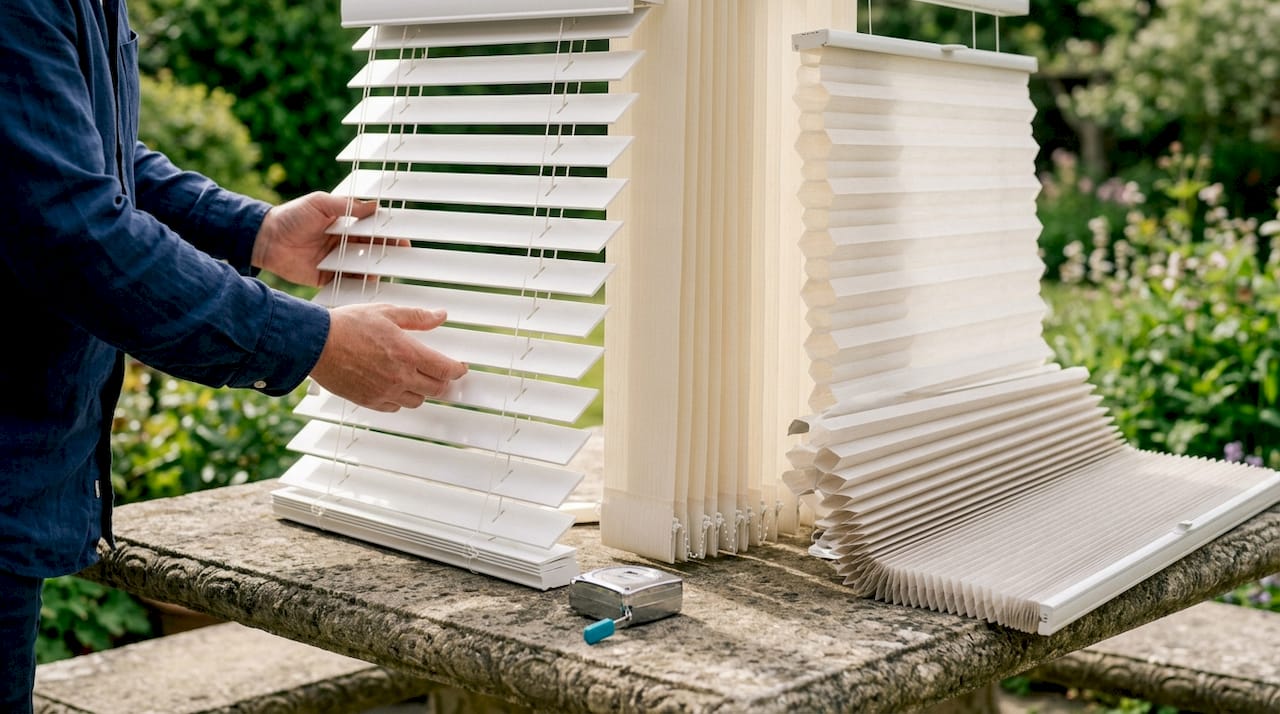
Venetian blinds use horizontal slats that tilt, raise, and lower to control light. They come in wood, faux wood, and metal (aluminum), making them one of the most versatile window blind styles available. Wood Venetians deliver a warm, natural look but are less moisture resistant than faux wood or metal alternatives. Faux wood handles humidity well, making it the better pick for kitchens and bathrooms. Metal (mini) blinds are the most affordable and work well in utility spaces.
Room fit: Venetian blinds suit living rooms, home offices, and bedrooms. Avoid real wood in high-humidity areas like bathrooms or laundry rooms.
Wood slats: warm aesthetic, best for dry rooms
Faux wood slats: moisture resistant, durable, budget friendly
Metal/aluminum slats: lightest option, ideal for small windows and utility rooms
Tilt rod or cord controls light angle precisely
Pro Tip: Cordless Venetian blinds eliminate dangling cords, which is a meaningful safety upgrade in homes with young children or pets.
3. Vertical blinds: the best choice for large windows and doors
Vertical blinds hang from a top track and pivot on a vertical axis, making them the standard solution for sliding glass doors and wide windows. The panels can be made from fabric, vinyl, or faux wood, and they stack neatly to one side when open. Vertical blinds are easier to clean than horizontal styles because dust falls off rather than settling on flat slats. They also allow partial opening without losing full light control. Cordless wand controls are available for vertical blinds and are the preferred option for child safety.
Room fit: Patio doors, floor-to-ceiling windows, and wide bay windows. Less common in smaller bedroom windows where other styles look more proportional.
4. How do roller, solar, and cellular blinds differ?
These three styles are often grouped together because they all use a single fabric panel, but their performance profiles are very different.
Style | Light Control | Energy Efficiency | Best Room |
Roller shades | Sheer to blackout | Moderate | Bedroom, living room |
Solar shades | Glare and UV reduction | Moderate | Sun-facing rooms, offices |
Cellular shades | Light filtering to blackout | High | Any room, especially cold climates |
Roller shades offer the cleanest visual profile of any window covering. Fabric options range from sheer to full blackout, so you can dial in exactly how much light enters a room. They work in nearly every room and pair well with curtain panels for a layered look.
Solar shades reduce glare and block UV rays while keeping your view of the outdoors intact. This makes them the top pick for sun-facing living rooms and home offices where screen glare is a daily problem. They do not provide full privacy at night when interior lights are on.
Cellular shades use a honeycomb structure for insulation, trapping air between the window and the room. This directly lowers heating and cooling costs, especially in older homes with drafty windows. Single-cell options provide basic insulation; double-cell and triple-cell versions perform significantly better in extreme climates.
Pro Tip: Cellular shades are available in a top-down bottom-up configuration, letting you lower the shade from the top for natural light while keeping the bottom raised for privacy. This is especially useful in street-facing rooms.
5. Roman and layered (zebra) shades: style-forward options
Roman shades and zebra shades both prioritize aesthetics without sacrificing function. They suit homeowners who want their window covering to feel like part of the room’s design, not just a utility item.
Roman shades fold into horizontal pleats when raised, creating a structured, tailored look. They come in hundreds of fabrics, from linen to blackout, and work beautifully in dining rooms, bedrooms, and formal living spaces. Custom Roman shades can be lined for added light control and insulation.
Flat Roman: clean, modern look with no folds when lowered
Hobbled Roman: cascading folds even when fully lowered, more traditional
Relaxed Roman: soft curved hem, casual and relaxed aesthetic
Lined options add blackout or light-filtering capability
Layered (zebra) shades alternate between sheer and opaque horizontal stripes. Aligning the stripes lets light through; offsetting them blocks it. This gives you a continuous range of light control without switching between two separate window coverings. Zebra shades work well in modern and transitional interiors where clean lines matter.
Maintenance note: Roman shades require more careful cleaning than roller or cellular styles. Fabric panels should be spot cleaned or professionally dry cleaned depending on the material. Zebra shades are generally easier to wipe down.
6. How material choices affect custom blind selection
Material is the second decision after operating style, and it directly affects durability, maintenance, and cost. Custom window treatment pricing varies widely based on fabric, hardware, and function, so understanding material trade-offs helps you spend wisely.
Wood: Warm, natural look. Best for living rooms and bedrooms. Avoid in bathrooms or kitchens where moisture warps the slats over time.
Faux wood (PVC or composite): Looks like real wood but resists moisture and warping. Costs less than real wood and lasts longer in humid rooms.
Aluminum/metal: The most affordable hard blind material. Lightweight, easy to clean, and works well in garages, utility rooms, and small windows.
Fabric (sheer, light-filtering, blackout): Used in roller, cellular, Roman, and zebra shades. Sheer fabrics soften light; blackout fabrics block it completely. Lining adds insulation and UV protection.
Vinyl: Common in vertical blinds. Durable, moisture resistant, and easy to wipe clean. Less premium in appearance than fabric or wood.
Material choice also affects lead time. Specialty fabrics and real wood require longer fabrication windows. Custom blinds typically require 4–8 weeks from order to installation, so factor that into your planning timeline.
7. Which control mechanisms are available for custom blinds?
Control type is the most overlooked decision in the custom blind buying process. It affects daily usability, safety, and long-term cost. Specifying your control method early is critical because some controls cannot be retrofitted after fabrication.
Corded: The traditional option. Lowest cost, but poses a strangulation risk for young children and pets. Many manufacturers are phasing these out.
Cordless: Spring-loaded mechanism that raises and lowers with a push or pull on the bottom rail. Cleaner look, safer for families, and now the most popular option for residential installs.
Wand control: A rigid wand rotates slats on Venetian or vertical blinds. No cord loops, making it a safe and low-maintenance choice.
Top-down bottom-up: Available on cellular and some Roman shades. Lets you control the shade from both the top and bottom independently.
Motorized: Battery-powered or hardwired motors that operate via remote, wall switch, or smartphone. Motorized blinds integrate with smart home systems like Google Home and Amazon Alexa, enabling scheduled and voice-activated operation.
Motorized options cost more upfront but pay off in convenience, especially for high windows, large rooms with many windows, or households where someone has limited mobility. Motorized window treatments also allow you to program daily schedules, which helps with energy management by closing shades during peak heat hours.
Pro Tip: If you have windows above a staircase or over a kitchen sink, motorized blinds are not a luxury. They are the only practical solution for windows you physically cannot reach.
Key takeaways
Choosing the right custom window blind starts with operating mechanism, then material, then control type. Every other decision flows from those three.
Point | Details |
Start with mechanism | Choose Venetian, roller, cellular, or vertical before picking fabric or color. |
Match material to room | Use faux wood or vinyl in humid rooms; reserve real wood for dry living spaces. |
Prioritize control type early | Cordless and motorized options cannot always be added after fabrication. |
Cellular shades save energy | Honeycomb construction insulates windows and lowers heating and cooling costs. |
Plan for lead time | Custom blinds typically require 4–8 weeks from order to installation. |
What I’ve learned after 30 years of fitting custom blinds
The question I hear most often is: “Which blind is the best?” The honest answer is that the best blind is the one that fits how you actually live in a room, not the one that looks best in a showroom photo.
Homeowners consistently underestimate how much their daily routine should drive the decision. A bedroom where you work night shifts needs true blackout cellular shades, not a pretty Roman shade in a light-filtering linen. A living room with a west-facing wall of glass needs solar shades, not vertical blinds that create stripe shadows across your TV at 4 p.m.
The second thing most people get wrong is waiting too long to decide on controls. I’ve seen clients fall in love with a fabric, order it, and then realize they wanted motorization after the blinds were already fabricated. That’s an expensive lesson. Decide on cordless, wand, or motorized before you finalize anything else.
My strongest advice: walk through each room at different times of day before you order. Notice where the sun hits, when you want privacy, and how often you actually adjust your current window coverings. That 10-minute exercise will tell you more about what you need than any product catalog.
— Dave
Custom blinds from Brandywineblinds: local expertise, no franchise markup
Brandywineblinds has served homeowners in Chester County, PA for over 30 years, offering the full range of custom window treatments including cellular shades, solar shades, Roman shades, vertical blinds, and layered zebra shades. Because Brandywineblinds operates without corporate overhead or franchise fees, clients typically pay significantly less than big-box competitors without sacrificing quality or service.
Every installation comes with a lifetime service warranty and a local expert who measures your windows, walks you through material and control options, and handles the install. If you want energy-efficient cellular shades for a drafty bedroom or custom solar shades for a sun-drenched living room, Brandywineblinds can spec and install both in a single visit. Request a free consultation to get started.
FAQ
What are the main types of custom window blinds?
The main types are Venetian (horizontal slats), vertical, roller, solar, cellular (honeycomb), Roman, and layered (zebra) shades. Each type differs by operating mechanism, material, and light control capability.
Which blind type is best for energy efficiency?
Cellular shades are the most energy-efficient option because their honeycomb structure traps air and insulates the window. Double-cell and triple-cell versions perform best in cold or hot climates.
Are cordless blinds safer than corded blinds?
Cordless blinds eliminate the looped cord that poses a strangulation risk for children and pets. Most window treatment professionals now recommend cordless or motorized options for all residential installs.
How long does it take to get custom blinds installed?
Custom blinds typically require 4–8 weeks from order to installation, depending on the material, fabric, and control type selected. Plan your order well ahead of any move-in date or renovation deadline.
Can I add motorization to existing custom blinds?
Motorization generally needs to be specified before fabrication, as the hardware is built into the headrail during manufacturing. Retrofitting motorized controls after the fact is difficult and often not possible without replacing the blind entirely.
Recommended
Comments